
-
National, regional and local policy recognises the role of renewable energy in responding to the climate and nature emergency. Onshore wind is widely recognised as one of the lowest-cost forms of new electricity generation. With electricity demand expected to grow significantly as transport and heating are electrified, increasing onshore wind capacity is essential to meeting climate targets alongside other renewable technologies. A balanced, coordinated approach to energy infrastructure is needed, combining onshore wind with solar, offshore wind, and energy storage.
The cost of living crisis, alongside rising energy prices and ongoing concerns about the UK’s energy security, means it is more important than ever to increase access to clean, reliable, and domestically generated electricity. Onshore wind plays a vital role in providing locally sourced renewable energy, helping to reduce dependence on fossil fuels while strengthening national resilience.
Expanding the UK’s onshore wind capacity reduces exposure to volatile global energy markets and helps ensure that Britain’s energy future is shaped at home. As a proven and established technology, onshore wind can be delivered quickly and at scale, supporting the transition to a low-carbon economy while improving long-term energy affordability and security.
-
Bristol Energy Network, as a community membership organisation, are seeking to develop onshore wind turbine sites across the West of England Mayoral Combined Authority region.
BEN has been working with local community energy organisations to deliver vital funding from surplus profits back to local community benefits and projects.
-
The proposed turbines would sit on land at Leigh Farm, just north of the M4 Motorway between Westerleigh and Pucklechurch. This follows a detailed site selection process considering various sites across the West of England.
-
Community-owned turbines developed in partnership with community energy partners allow local residents to shape how surplus funds are spent, enabling investments in essential services such as community hubs, green spaces, and skill development programmes.
Funds will be managed by and for the community, tackling fuel poverty, addressing energy-saving measures in homes, and supporting local communities.
-
At the end of the turbines’ operational life, all above-ground structures will be removed, foundations will be capped, and the site will be reinstated to its former condition. A decommissioning plan is submitted as part of the planning application to ensure compliance.
-
Wind turbines are increasingly recyclable. Steel towers and copper components are already fully recyclable, and the industry is making rapid progress on composite blades - historically the most challenging component.
Major manufacturers are now deploying recyclable blade technologies at commercial scale, with some already installing fully recyclable blades and others targeting 100% recyclability by 2030.
At end-of-life, turbine materials can be recovered for reuse in new products rather than going to landfill. The technology and infrastructure for blade recycling is advancing quickly - by the time these turbines reach end-of-life in 25+ years, recycling will be standard practice.
-
Larger turbines generate significantly more electricity, making the project financially sustainable while maximising community benefits. For instance, one large turbine at Lawrence Weston powers the equivalent of thousands of homes and generates surplus funds for local initiatives.
-
Detailed ecological work is currently underway to ensure minimal disruption to wildlife. Projects are planned in collaboration with ecologists and follow stringent guidelines to balance renewable energy generation with nature preservation. Extensive ecological studies are conducted before any project begins.
Every planning application must demonstrate biodiversity net gain, in line with national planning guidance.
-
We are inviting you to provide feedback on our proposals, at our in-person exhibition events, via our consultation survey, or by contacting us directly.
We aim to submit our planning application in spring 2026, and we want to ensure that your views are captured in this consultation stage.
-
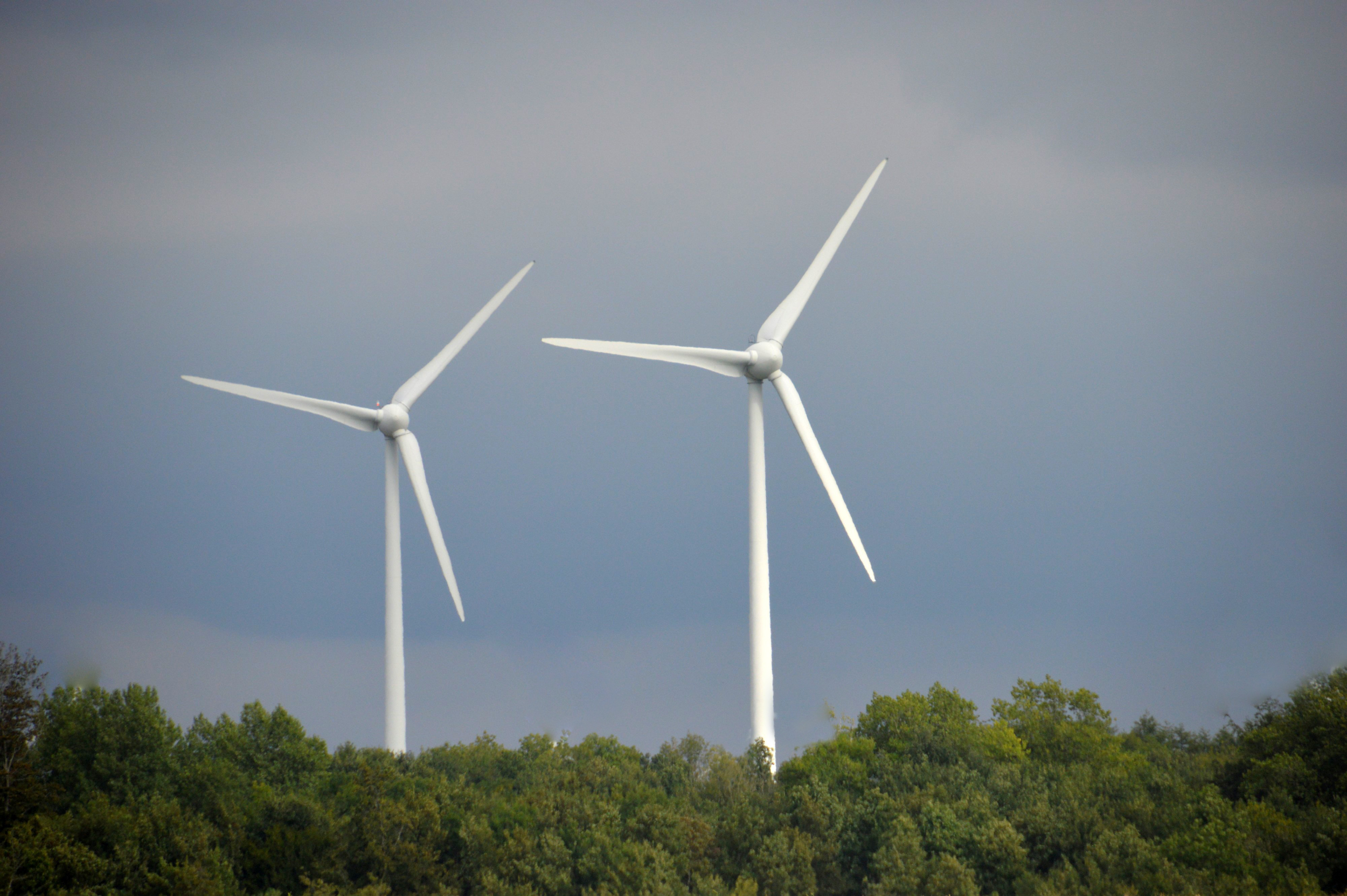
The wind turns the blades of the turbine, and this energy is used by a generator located in a unit behind the turbine’s rotor, called a nacelle. The generator converts this energy into electricity. As the turbine is connected to the national grid, the electricity generated is fed into the grid network.
Expanding the UK’s onshore wind capacity reduces exposure to volatile global energy markets and helps ensure that Britain’s energy future is shaped at home. As a proven and established technology, onshore wind can be delivered quickly and at scale, supporting the transition to a low-carbon economy while improving long-term energy affordability and security.
Onshore wind is a central component of the Government’s energy strategy and is widely recognised as one of the lowest-cost forms of new electricity generation. A balanced, coordinated approach to energy infrastructure is needed, combining onshore wind with solar, offshore wind, and energy storage.
-
Turbines would be monitored remotely 24/7 and undergo regular maintenance inspections. All components would comply with international safety standards and access to the site will be controlled for public safety.
-
We will be submitting a formal application for a period of operation of 25 years.
End-of-life decommissioning and site restoration are secured via planning conditions.
-
A Construction Traffic Management Plan (CTMP) sets vehicle routes, schedules, and safety protocols, and this will be submitted as part of the application. Public Rights of Way will remain open where possible, and disruptions will be short-term and communicated to residents.
-
The project will be managed by Bristol Energy Network (BEN), with oversight from regulatory authorities and ongoing engagement with local community energy groups and the wider community.
-
We will carefully design and position the turbines to minimise noise and shadow flicker impacts.
We follow strict guidelines to keep noise within established limits. For shadow flicker, we plan turbine locations to avoid affecting nearby homes and can adjust turbine operation if needed.
Our priority is to reduce any disruption to the community wherever possible while providing clean energy.
-
Modern turbines are designed to be quiet, with noise levels often being indistinguishable from background environmental sounds. Noise assessments are conducted as part of the planning process to ensure compliance with strict regulations.

Have your say on your community’s future. Join our Energy Champion email and find out how you can help us deliver vital community benefits to local people.